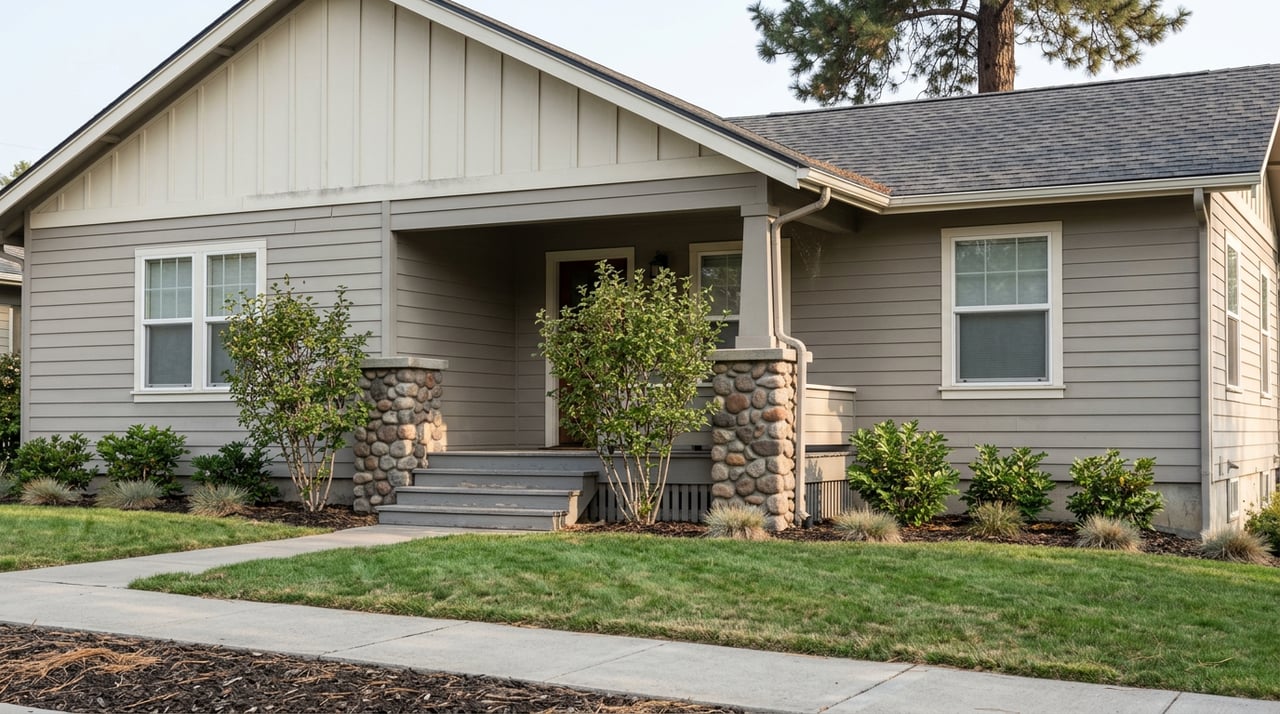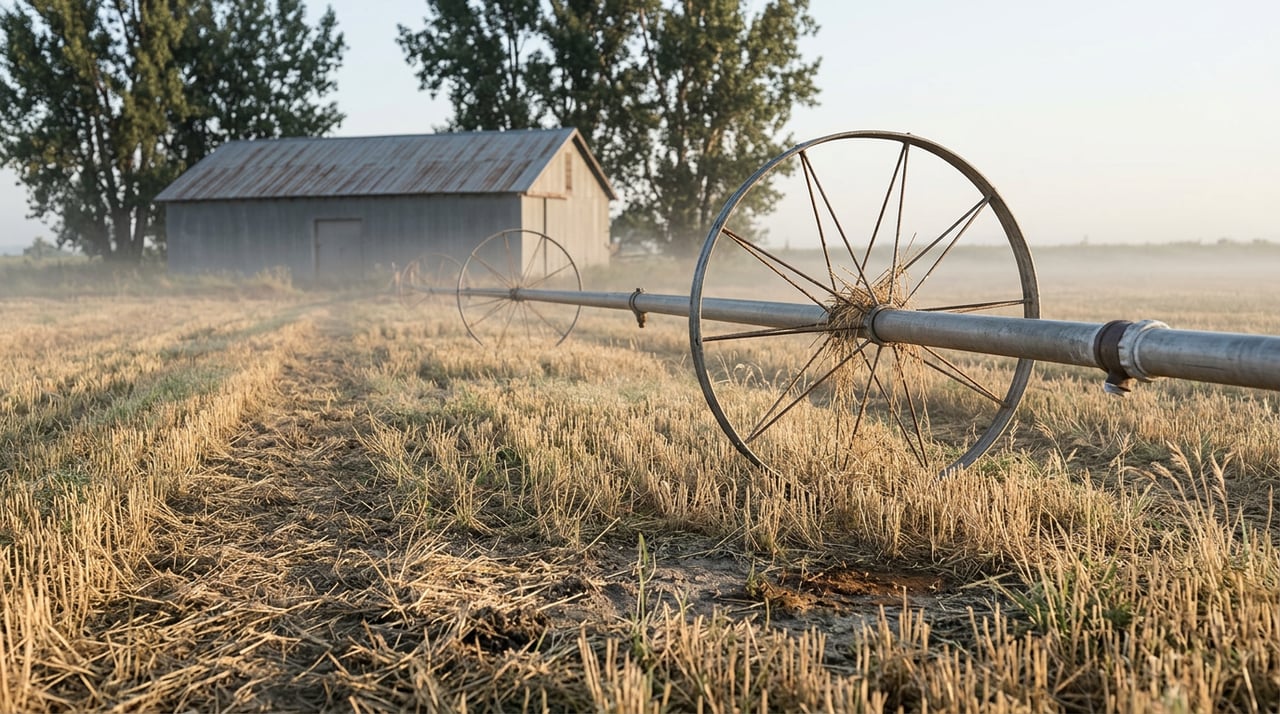
Buying land near Malin can feel full of possibility until the practical questions start stacking up. Can you build on it, access it legally, and get water or septic approval without major surprises? If you are dreaming about anything from a simple homesite to a larger agricultural property, understanding those details early can save you time, money, and stress. Let’s dive in.
Start With Jurisdiction
The first question is not acreage or price. It is whether the parcel is inside the City of Malin or outside city limits in Klamath County.
That matters because the City of Malin has its own ordinances and comprehensive plan, while most land outside the city is governed by Klamath County land-use maps and county code. In this part of Oregon, land-use planning is designed to preserve farm and forest land, limit sprawl outside urban growth boundaries, and restrict the spread of urban services into rural areas.
For early research, Klamath County’s Land Explorer is the county’s official mapping tool. It is one of the most useful starting points when you want to confirm where a parcel sits and what rules may apply.
Know What the Zoning Really Means
A listing that says “land near Malin” can describe very different types of property. Some parcels may be suited for a homesite, while others may be intended for agriculture or rural residential use.
Klamath County zoning categories vary quite a bit. Rural community residential parcels are generally in areas where lots are under one acre and supported by water and sewer systems, with a minimum lot size of 5,000 square feet. Suburban residential zoning uses a 10,000-square-foot minimum lot size and allows one dwelling per lot or per 10,000 square feet.
Rural residential zoning moves into larger-acre parcels. R-1 has a 1-acre minimum, R-2 has a 2-acre minimum, R-5 has a 5-acre minimum, and R-10 has a 10-acre minimum.
EFU, or Exclusive Farm Use agricultural zoning, works differently. In Klamath County, EFU parcels are generally 80 or 160 acres depending on subtype, and the purpose of that zoning is to promote commercial agriculture.
Why zoning affects your plans
Zoning is not just a label on a map. It shapes what you may be able to do with the land now and what may require more review.
For example, a smaller rural residential parcel and a larger EFU parcel are not interchangeable just because both are outside town. If you hope to build, farm, hold acreage, or possibly split land later, the zoning needs to support that plan from the beginning.
Access Is More Than Road Frontage
One of the most common land-buying mistakes is assuming that frontage on a map means simple, legal access. Near Malin, access should be verified before price and terms are finalized.
Klamath County requires a driveway and road approach permit for connections to rights-of-way under county jurisdiction. That includes residential driveways, commercial driveways, agriculture field access, existing easements, and public right-of-way connections.
The road type matters too. Klamath County distinguishes between county roads, local access roads, and private roads. Local access roads are public roads that are user-maintained rather than county-maintained, which can affect how you evaluate access and ongoing upkeep.
If a parcel fronts a state highway, the process is different. ODOT requires a highway approach permit for access to a state highway, and access rights must already exist before that permit path can move forward.
Questions to ask about access
Before you write an offer, it helps to answer a few specific questions:
- Does the parcel have documented legal access?
- Is the road county, local access, private, or state-controlled?
- Will a driveway or approach permit be required?
- Are there easements that affect how you enter or use the property?
These are practical details, but they often have a big impact on cost and timeline.
Utility Service Depends on Location
Some parcels in or near Malin may be connected to municipal systems, while others will need private utility solutions. That distinction can change your budget quickly.
Malin has an active community water system, and city code references hook-up to municipal water and or sewer service. Still, you should not assume that every parcel near town is already connected.
A lot may sit close to city services and still need confirmation of actual availability and connection status. For buyers, this is a good reminder to verify service rather than rely on location alone.
Septic Feasibility Can Make or Break a Rural Parcel
If public sewer is not available, septic becomes one of the biggest checkpoints. In Klamath County, onsite wastewater systems are monitored by the county’s Septic/Onsite Division.
The first step is a site evaluation. That review looks at the soil profile, parcel size, slope, and nearby water bodies and wells.
A standard septic permit cannot be submitted until a favorable site evaluation is on record and a Land Use Compatibility Statement has been issued by county planning. That means septic is not something to treat as an afterthought.
Why early septic review matters
A parcel may look ideal on paper and still run into limitations based on site conditions. If you are buying land with plans to build, knowing whether a site evaluation already exists can help you understand the path ahead.
If there is no evaluation on file, you may want that feasibility work clarified before you move too far into the process. It is one of the most important parts of turning raw land into a usable homesite.
Water Needs a Separate Review
Water can mean different things depending on the parcel. In-town land may have municipal service, while rural land may rely on a private well, irrigation rights, or a combination of both.
If a parcel will need a well, Oregon Water Resources Department recommends hiring a licensed bonded well constructor, though landowners may construct their own wells under the state permit system. The type of water use matters too.
Oregon allows some domestic well use without a water-right permit, but broader water use from any source generally requires a permit or license. That is why water questions should be sorted out early, especially if your plans go beyond basic household use.
Irrigation rights are not the same as a well
Around Malin, some larger tracts may involve irrigation water. Water rights should be reviewed separately from the deed because they are a distinct part of due diligence.
According to Oregon Water Resources Department, water rights are generally appurtenant to the land and normally convey with the property unless they are specifically excluded. Changes to the place or character of use require department approval.
In this area, the Klamath Irrigation District states that its water is for irrigation only, is controlled under district policy and the watermaster’s authority, and may not be available in unlimited supply every season. If irrigation matters to your plans, early contact with the district is wise.
A Smart Due Diligence Order
When you are buying land, the order of your research matters. A practical process can help you avoid spending energy on a parcel that does not fit your goals.
Here is a strong workflow for land near Malin:
- Confirm whether the parcel is in the City of Malin or unincorporated Klamath County.
- Verify the zoning and minimum parcel size.
- Confirm legal access and identify the correct road authority.
- Determine whether the lot has city services or needs private well and septic solutions.
- Review title, easements, surveys, and any irrigation-water language.
- Make sure the intended use matches the parcel’s current rules and conditions.
This sequence follows the local approval path more closely and can reduce surprises after you are already under contract.
Key Questions Before You Make an Offer
If you are serious about a parcel, these are some of the most important questions to answer:
- Is the property inside the City of Malin or outside in Klamath County?
- What zoning applies today?
- Does that zoning support your intended use right now?
- Is legal access documented?
- Which agency controls the driveway or road approach permit?
- Will the property need a septic system?
- Is a site evaluation already on file?
- Is water municipal, well-based, irrigation-based, or some combination?
- Are any irrigation rights included in the sale?
- If you hope to divide the land later, does current zoning allow that?
These questions shift the conversation from “How many acres is it?” to “Will this property actually work for what I want to do?” That is the right mindset for land in this part of Southern Oregon.
Land Near Malin Requires a Clear Plan
Land near Malin can be a great fit if you want space, flexibility, or an agricultural setting, but it needs to be evaluated carefully. The most important factors are jurisdiction, zoning, legal access, utility path, septic feasibility, and any irrigation-right language tied to the property.
When you understand those pieces early, you can move forward with more confidence and avoid buying a parcel based only on appearance or acreage. If you are considering land near Malin and want practical local guidance as you sort through your options, Sarena Sutton can help you navigate the search with clarity and steady support.
FAQs
What should you check first when buying land near Malin?
- Start by confirming whether the parcel is inside the City of Malin or in unincorporated Klamath County, because that determines which rules, maps, and approval paths apply.
What zoning types might you find on land near Malin?
- You may see rural community residential, suburban residential, rural residential zones like R-1 through R-10, or EFU agricultural zoning, and each one has different minimum lot sizes and use expectations.
What does EFU zoning mean for land near Malin?
- EFU stands for Exclusive Farm Use, and in Klamath County it is generally intended to promote commercial agriculture, with parcel sizes often around 80 or 160 acres depending on subtype.
Why is access a major issue for land near Malin?
- A parcel may appear to have road frontage, but you still need to verify legal access, the road authority, and whether driveway or approach permits are required by Klamath County or ODOT.
How do septic approvals work for rural land near Malin?
- If public sewer is unavailable, the county requires a site evaluation first, and a standard septic permit cannot be filed until there is a favorable evaluation and a Land Use Compatibility Statement from county planning.
How should you review water for land near Malin?
- You should confirm whether the parcel has municipal water, will need a private well, or includes irrigation rights, and review water rights separately from the deed because they can affect how the property may be used.
Can you assume irrigation water is always available for land near Malin?
- No, because the Klamath Irrigation District states its water is for irrigation only and may not be available in unlimited supply every season.
Should you assume land near Malin can be split later?
- No, because future division depends on the parcel’s zoning and applicable county and state rules, so that possibility should be verified before you buy.