A buyer touring a ranch home in Altamont Acres last spring asked a simple question: could they add geothermal heat after closing, the way you'd add solar panels or a heat pump. The honest answer took longer than the question. In most of Klamath Falls, the answer is no, and it has nothing to do with permits, budget, or contractor availability. It has to do with what's underneath the lot, which is either hot water or it isn't.
That distinction gets lost because Klamath Falls uses one word, geothermal, to describe two things that don't overlap. One is a city-owned utility that heats downtown buildings. The other is a scattered collection of private wells that individual homeowners have drilled into the same underground resource, mostly in two specific neighborhoods, some of them for more than eighty years. If you're comparing homes across Klamath Falls and one of them lists geothermal heat as a feature, you're not looking at a citywide amenity. You're looking at a geographic accident that happened to land under that particular roof.
Two systems that share one word
The City of Klamath Falls operates a district heating loop built around two production wells on Old Fort Road. The hot water, running between 200 and 220 degrees, travels about a mile through 8 and 12 inch pipeline to a heat exchanger facility near the Klamath County Museum, at Wall Street and Spring Street. From there it heats roughly 23 commercial, nonprofit, and government buildings in the downtown core, along with the sidewalk and bridge snowmelt system that keeps winter foot traffic moving through the city's coldest months. The system is a closed loop. City water goes in, gets heated by the geothermal fluid through the exchanger, and the geothermal fluid itself is re-injected back into the aquifer rather than discharged, which is how the resource has stayed usable this long.
None of that touches private homes. If your listing mentions geothermal heat and the address isn't a downtown commercial building, you're looking at the second system entirely: an individual well, drilled on that specific parcel, tapping the same underground reservoir the city uses but owned and maintained by whoever owns the house.
| City Geothermal Utility | Private Residential Wells | |
|---|---|---|
| Owned by | City of Klamath Falls | The individual homeowner |
| Wells | Two production wells on Old Fort Road | Hundreds of separate wells, drilled over decades |
| What it heats | About 23 downtown buildings, plus sidewalk and bridge snowmelt | The one house or lot sitting on top of it |
| Concentrated where | Downtown core | Overwhelmingly in Hot Springs and Pacific Terrace |
| Can a buyer add it | No | Only if the lot sits over the resource |
Why geology decided this, and not zoning
The reason geothermal heat clusters in a handful of Klamath Falls neighborhoods instead of spreading evenly across the city comes down to where the hot water actually sits underground. Klamath Falls is inside what's classified as a Known Geothermal Resource Area, but the useful heat within that area isn't uniform. It follows fault and fracture zones on the city's northeast side, which is why a well on one block can hit water hot enough to heat a house and thermo syphon it with no pump, while a well three streets over comes up cold.
Public radio reporting on the city's geothermal use in 2023 made the same point from a different angle: high maintenance costs and the uneven geographic availability of hot water are the reasons not every home in Klamath Falls runs on geothermal energy, even though the city has had access to the resource for generations. That's worth sitting with if you're comparing neighborhoods. This isn't a technology a seller chose and a competitor skipped. It's a resource some lots have and others simply don't, no matter what the owner was willing to spend.
Where the word actually means something
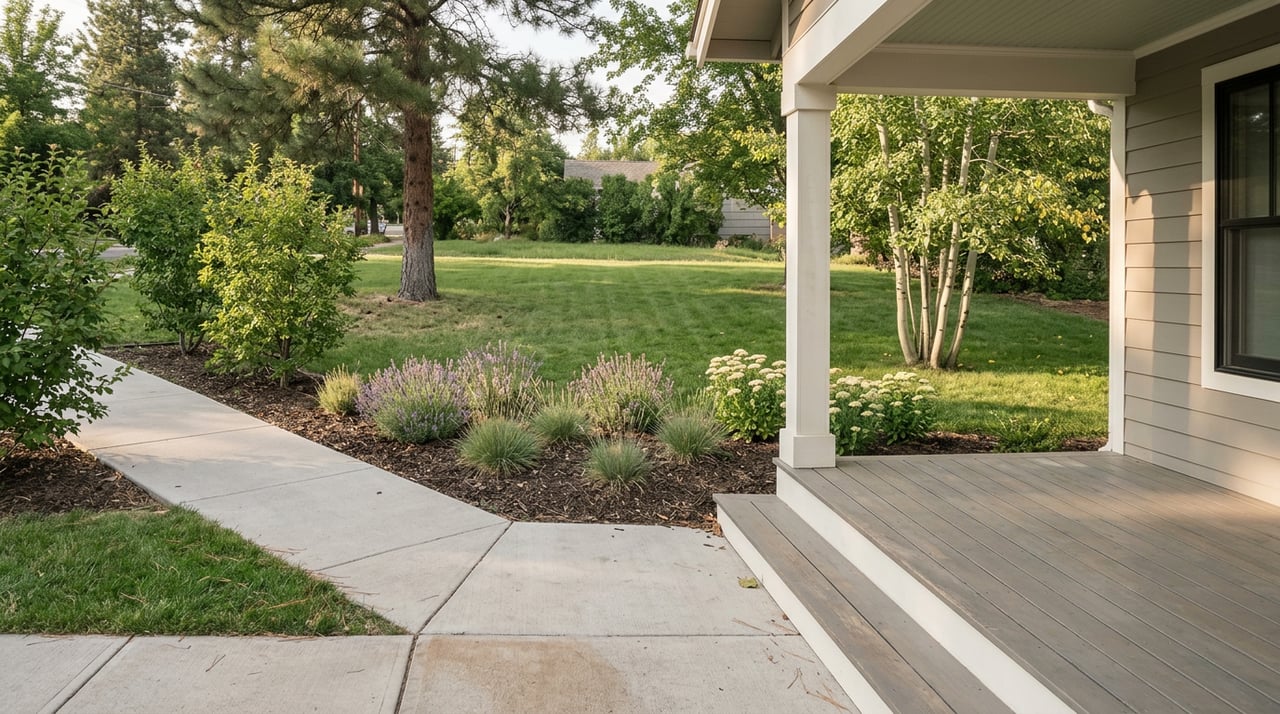
Two neighborhoods carry almost all of the residential geothermal activity in Klamath Falls: Hot Springs, which takes its name directly from the geology beneath it, and Pacific Terrace, an established mid-century area on the hillside above downtown where some homes have been drawing on underground heat for eighty years or more.
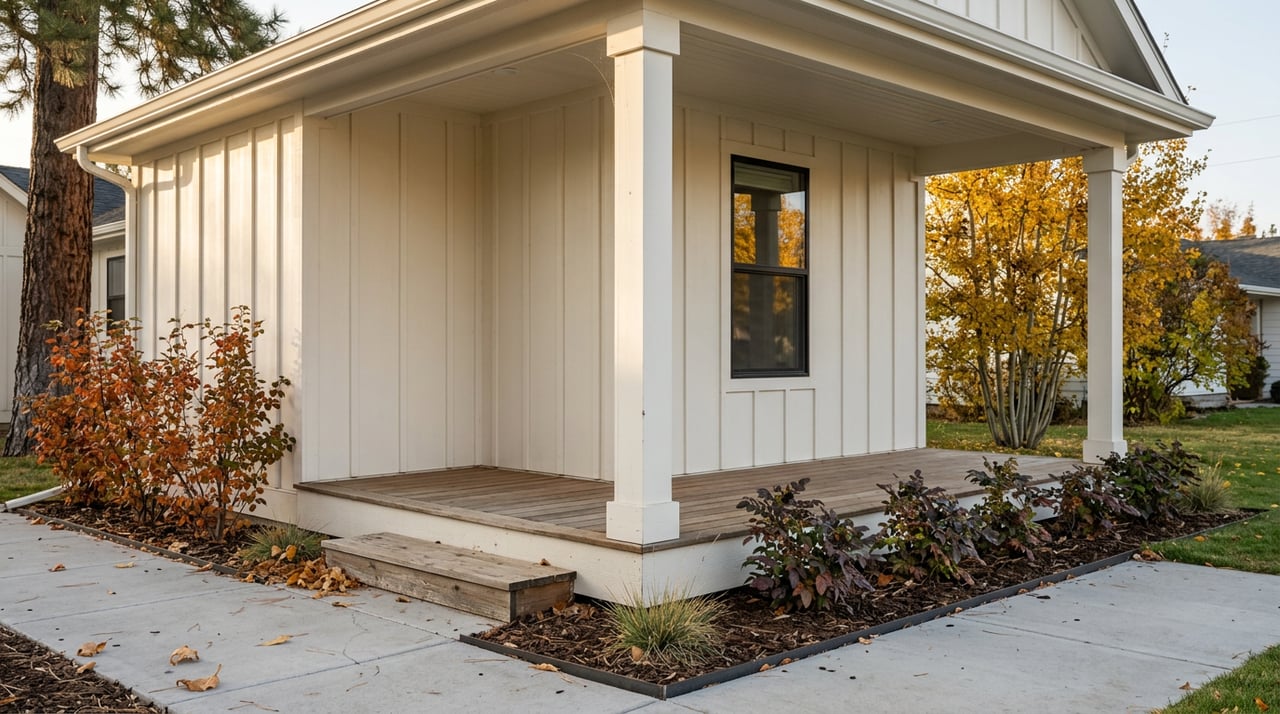
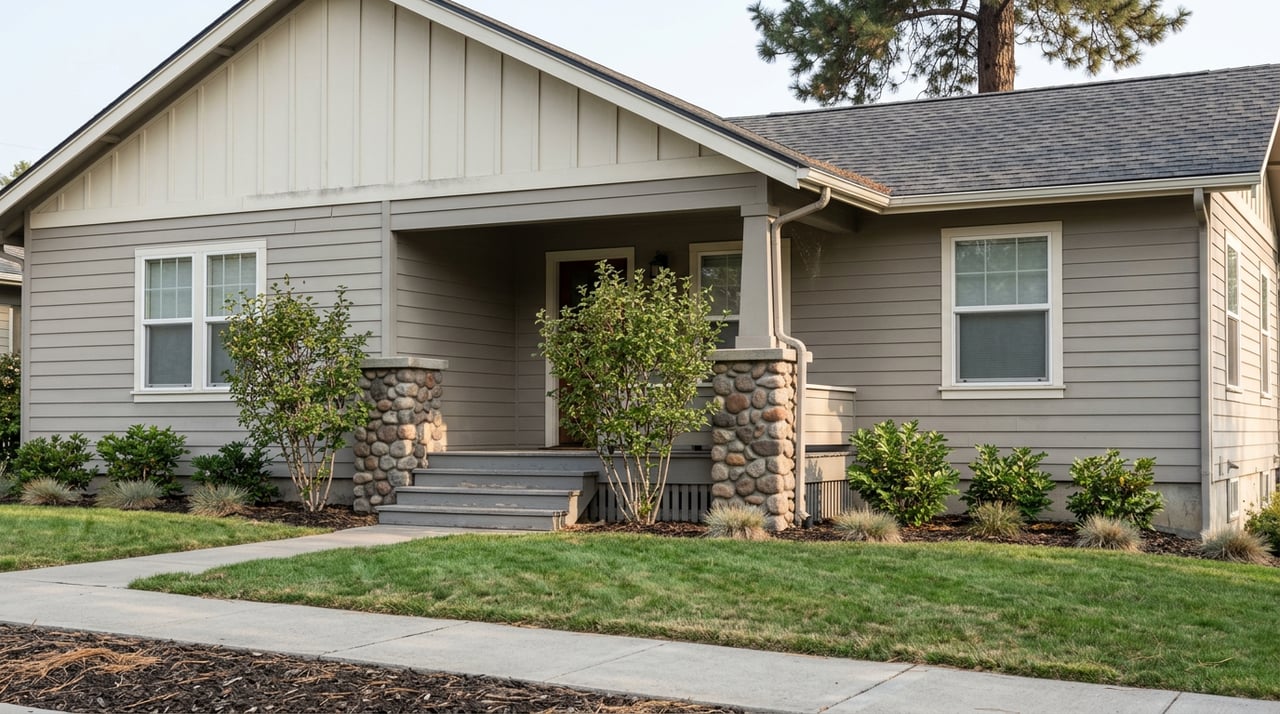
Walk through recent listings in either neighborhood and the pattern holds. A Craftsman-style home in Pacific Terrace listed with a hobby room and heated sidewalks running on geothermal. A mid-century property in Hot Springs advertised with a 20,000-gallon heated pool and hot tub running year-round off the same source. A renovated 1956 single-level home nearby paired its geothermal heat with a backup gas furnace for redundancy, which is common in older setups where owners don't want to depend on a single system through a hard winter.
One property on Hillside Avenue illustrates how simple these private systems can be when the resource cooperates. The well there runs only 200 feet deep, hot enough to heat both the house and an attached shop by thermo syphon, meaning the hot water rises and circulates on its own without a pump. City water feeds into the well, comes back up heated, and doubles as the water heater. The owner's only ongoing cost is the electricity for a fan that pushes the warm air through the house. That's a genuinely low-cost heating setup, but it exists because that specific well happened to hit water hot enough to make thermo syphon work, not because of any renovation choice.
What a private well actually asks of an owner
Geothermal heat sounds passive once it's installed, and in the best cases it nearly is. But it comes with obligations that a standard gas furnace or heat pump doesn't.
Klamath Falls regulates geothermal wells under its own municipal code, with rules covering how a well can be deepened, re-cased, or otherwise materially altered. The city maintains a registry of local wells and geothermal facilities at what the code calls the Geothermal Data Center, and that record is meant to be public and current. If you're buying a home with a private geothermal well, confirming that the well shows up in that registry is a reasonable first step, and one most buyers wouldn't think to take on a conventional heating system.
Maintenance costs are the other piece worth taking seriously. The same 2023 reporting that pointed to geography as one constraint on geothermal adoption pointed to maintenance cost as the other. Wells scale, pumps fail, and thermo syphon systems that work beautifully for decades can eventually need intervention if mineral buildup changes the flow. None of that shows up on a listing sheet. It shows up in whoever owned the well before you kept records or didn't.
What to verify before you factor it into an offer
Oregon's standard Seller's Property Disclosure Statement requires sellers to identify the property's water source and disclose known issues with the water system, and that section is the natural place to press for specifics on a geothermal-heated home. Beyond the form itself, a few questions are worth asking directly, in writing, before you treat geothermal heat as a value-add rather than an unknown:
- How old is the well, and how deep does it run
- Is the system thermo syphon, or does it depend on a pump that could fail
- Is there a backup heat source if the well's output drops
- Is the well listed in the city's geothermal registry
- Has the owner had any recent issues with flow, temperature, or mineral scaling
A seller who can answer all five without hesitation is describing a well that's been maintained. A seller who can't is asking you to buy an unknown.
A few questions buyers ask often
Can I drill my own geothermal well on a Klamath Falls property that doesn't already have one? Only if the lot sits over water hot enough to be worth tapping, and any drilling or well work falls under the city's geothermal ordinance rather than a standard building permit. It isn't a project you'd take on based on a neighbor's success three streets away.
Does geothermal heat affect financing or insurance? Lenders and insurers generally treat a private geothermal well as a specialized heating system, similar to how they'd treat any well-based utility. Ask your lender directly if a specific home's system needs additional documentation before closing.
Is Running Y, the resort community south of town, connected to any geothermal system? No. Running Y sits well outside both the city's downtown utility loop and the fault-zone concentration that feeds Hot Springs and Pacific Terrace wells. Its value comes from a different set of amenities entirely.
Geothermal heat is one of the more interesting details in Klamath Falls real estate, but it only means something specific once you know which system you're looking at and why that particular lot has it. If you're comparing neighborhoods and want a straight answer on what a given property's heating setup actually involves, Sarena Sutton can walk through the specifics with you before you write an offer.