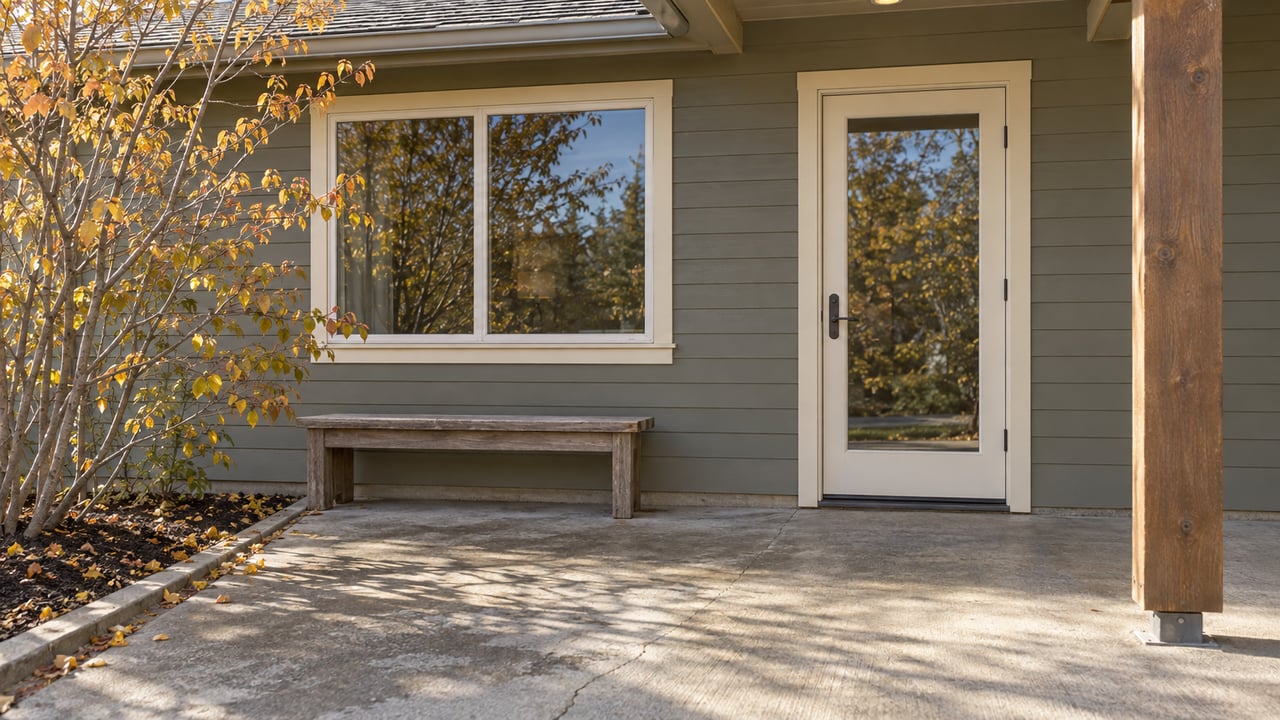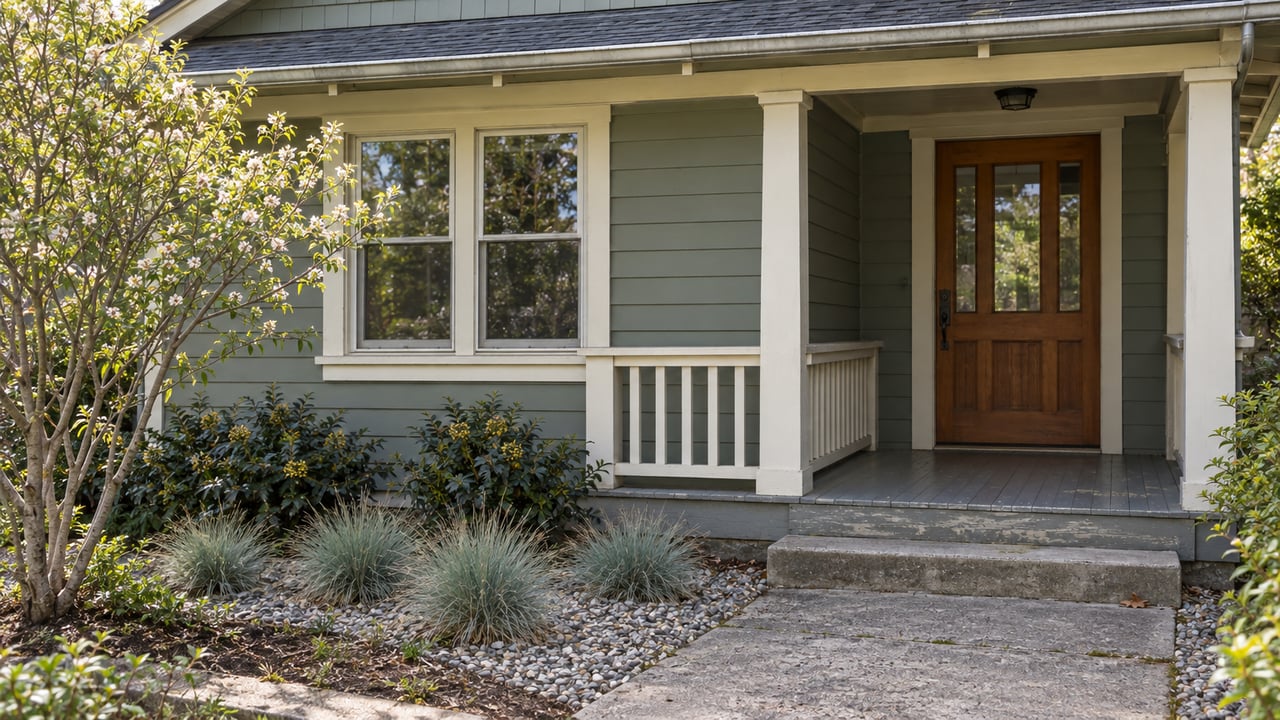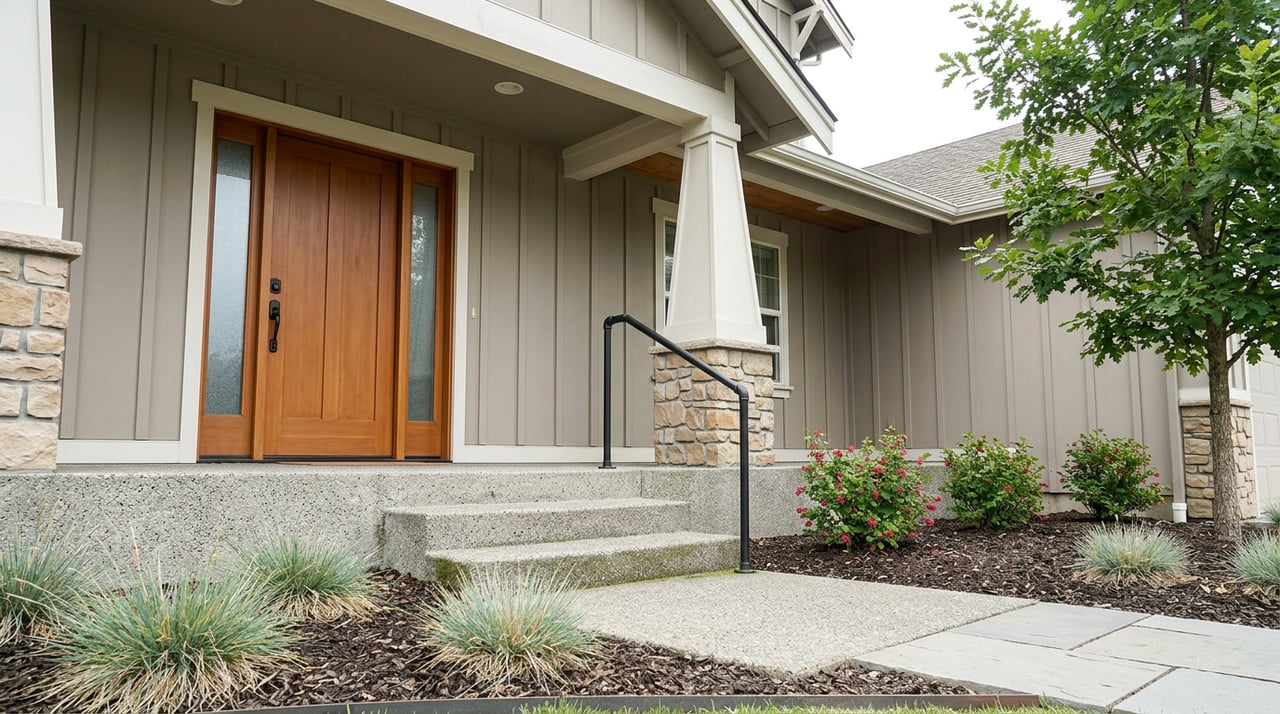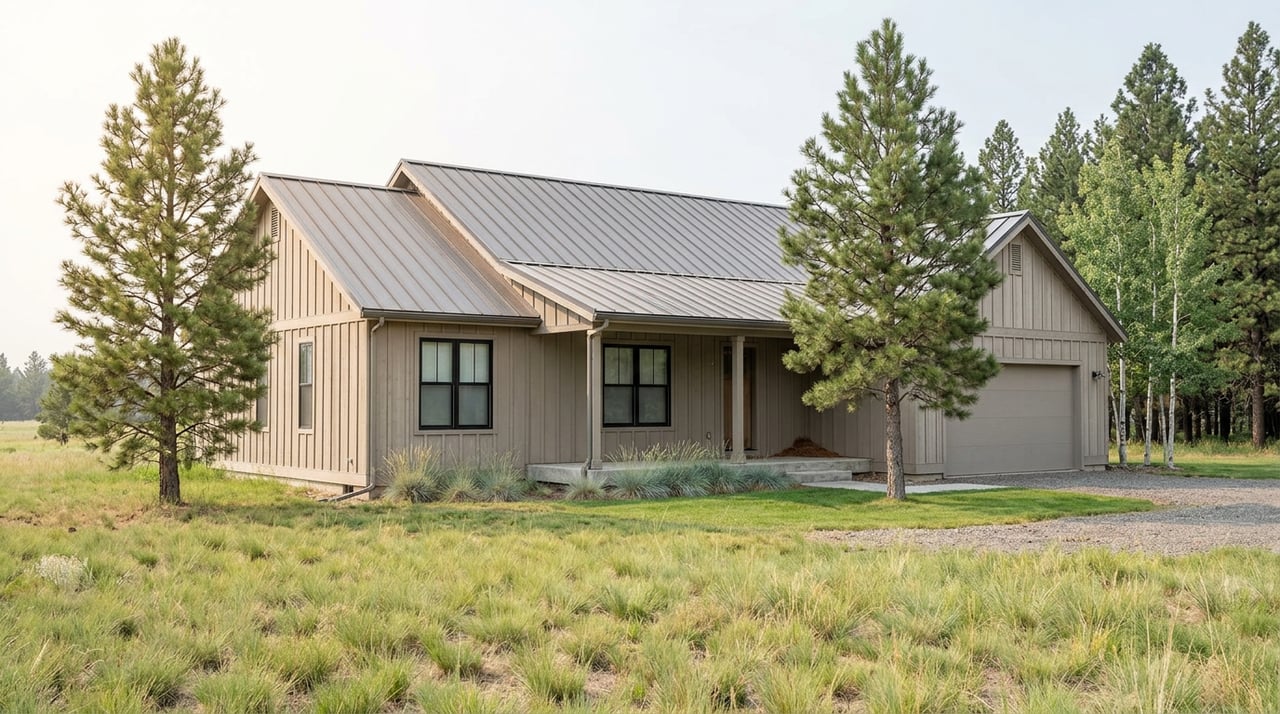
Two houses on the same short stretch of road in Keno can be running on completely different water systems, and neither one will tell you which by looking at the porch light or the mailbox. One might tap into a small public utility that has served the town for decades. The other might pull every gallon from a private well drilled into volcanic basalt. Buyers who assume Keno automatically means well and septic are guessing, and in a real estate transaction, guessing about a home's water and wastewater system is the kind of thing that surfaces late, usually right when you're trying to close.
Here's the piece most people don't know going in: part of Keno is served by Keno Water Co Inc, a public water utility with around 102 active connections, run by a volunteer board that contracts out its operations and bookkeeping. That system shows up in Oregon Health Authority's public water system records under PWS ID 00425. So the reflex assumption that a rural Klamath County community must run entirely on private wells doesn't hold up here. Some homes are on the utility. Others are on wells. The only way to know which one applies to a specific address is to ask, and to ask early.
Why this isn't just a curiosity
If a property is on Keno Water Co Inc, your due diligence looks a lot like it would in town: check the utility's compliance history, confirm the connection is active, and move on to the rest of your inspection list. If it's on a private well, you're now dealing with water quality testing, flow rate, casing depth, and a completely different set of costs and timelines than the buyer down the street. The same split applies to wastewater. Some properties may tie into a sewer arrangement; most rural parcels around Keno run on individual septic systems permitted through Klamath County. Neither path is better or worse. What matters is knowing which one you're actually buying before your inspection contingency clock starts running.
If the property is on a private well
Well drilling in the Keno area runs into a specific geological reality: much of the ground here is hard volcanic basalt, and drillers factor that into both time and cost. A local outfit, Norm Sevey Well Drilling Inc, has worked this ground since 1970 and publishes a current range for residential wells in the Klamath Falls area of roughly $3,750 to $15,300, or $28 to $65 per foot, with basalt sites on the higher end of that range because the rock slows the work down. That's not a number you need to memorize. It's context for a specific question: if a seller's disclosure mentions a well, ask how deep it is, when it was drilled, and whether the casing and pump have had any recent service. A shallow well in basalt country is a different risk profile than a deep one, and the cost to fix or replace it swings widely enough that it's worth confirming before you're locked into a price.
Oregon also sets minimum separation distances between a well and a septic drainfield to protect the water supply from contamination. If you're buying a property where both systems sit on the same parcel, that setback is part of what a site evaluation confirms, and it's one more reason to see the actual well log and septic records rather than take a seller's word for where everything sits.
If the property is on private septic
Klamath County's process for anything septic-related starts before the septic application itself. You need a Land Use Compatibility Statement from the Klamath County Planning Department first, which checks setbacks and any restrictions tied to the parcel. Only after that can the county's Onsite Division move to a site evaluation, where a wastewater specialist digs test pits to check soil and groundwater conditions and determine what type of system the property can support. That sequence matters because it's not fast. If you're buying vacant land or a property where the existing system's status is unclear, you're not looking at a same-week answer.
For an existing home with a septic system already in place, the more common step is a property-transfer inspection, and locally that work is handled by companies like A-One Septic Service Inc, a Keno-based, DEQ-licensed septic service that handles pumping, inspections, and repairs across Klamath County. A standard evaluation checks the tank's baffles for cracks or wear, looks for signs of drainfield failure such as soggy ground or unusual odors, and confirms the system was installed under a permit in the first place. Oregon doesn't mandate a fixed pumping schedule. The state's own guidance suggests checking a tank for solids roughly every five to seven years, and pumping once accumulation passes about 40 percent, so a system's maintenance history matters more than its age alone. If a seller can't produce any permit history, that's worth asking about directly rather than assuming the system is simply old.
The part that actually catches people off guard
Here's the friction that matters more than either system on its own: timing inside the contract. A typical inspection contingency gives you a window measured in days, not weeks. Klamath County's LUCS-then-site-evaluation sequence, when it's needed, does not run on that clock. Neither does confirming which water provider actually serves a given address, since that's not always printed clearly on a listing sheet. The properties that stall in escrow around Keno are rarely the ones with a bad well or an old septic tank. They're the ones where nobody confirmed which system was in play until the inspection period was already ticking down.
The practical fix is simple and worth building into your offer from the start. Before you write it, ask your agent to confirm in writing which water provider serves the parcel and whether the septic system has a permit on file with Klamath County. If either answer comes back as "we're not sure," build extra time into your inspection contingency rather than hoping it resolves itself in three business days.
| Scenario | What to verify | Who handles it locally | Typical cost or timeline |
|---|---|---|---|
| Public water (Keno Water Co Inc) | Active connection status, system compliance history | Oregon Health Authority Drinking Water Services records | Usually confirmed within days |
| Private well | Depth, casing condition, flow rate, water quality test | Local licensed drillers such as Norm Sevey Well Drilling Inc | $3,750–$15,300 to drill new; testing much faster |
| Private septic, existing system | Permit on file, tank condition, drainfield signs of failure | Licensed local providers such as A-One Septic Service Inc | Property-transfer inspection scheduled within your contingency window |
| Private septic, new or unclear status | LUCS from Klamath County Planning, then site evaluation | Klamath County Onsite Division | Multi-step process, not a same-week answer |
The bottom line
Keno rewards buyers who ask specific questions early rather than general ones late. The town isn't uniformly on wells, and it isn't uniformly on septic. Two houses close together can sit on entirely different systems with entirely different maintenance histories and entirely different costs waiting on the other side of a bad inspection. None of that should scare you off a Keno property. It should just move up your timeline for finding out which system you're actually buying.
A few questions buyers ask often
How do I find out if a specific Keno address is on Keno Water Co Inc or a private well? Ask the seller directly and confirm through Oregon Health Authority's Drinking Water Services records, which list Keno Water Co Inc under PWS ID 00425. If the address isn't tied to that system, it's almost certainly on a private well.
Who typically pays for the septic inspection in a sale? That's a negotiated term between buyer and seller, not a fixed rule, so it's worth settling in the purchase agreement rather than assuming either side covers it by default.
What happens if a septic system has no permit on file with Klamath County? That doesn't automatically mean something is wrong, but it does mean you're working with less documented history than you'd like. Ask for a site evaluation or a fuller inspection before you rely on the system's condition as-is.
Buying in Keno means dealing with real variation from one parcel to the next, and that variation is exactly where a local agent earns their keep. If you're weighing a property here and want help sorting out which questions to ask before your inspection window starts, Sarena Sutton is glad to walk through it with you. Let's Connect.