If you are thinking about a move to Southern Oregon, Klamath Falls may surprise you in the best way. Life here tends to feel simple, sunny, and easy to navigate, with short drives, familiar routines, and outdoor access woven into everyday living. Whether you are relocating, buying your first home, or just trying to picture what daily life really feels like, this guide will help you understand how Klamath Falls comes together. Let’s dive in.
What daily life feels like in Klamath Falls
Klamath Falls sits on the southern shore of Upper Klamath Lake and covers just over 20 square miles. The city also reports nearly 300 days of sunshine each year, which helps shape a lifestyle that often includes time outside before or after work.
For many residents, daily life feels local and practical. You are usually not spending your day in long traffic backups or crossing a massive metro area. Instead, routines often center on a few go-to districts, short drives, and nearby parks or trails.
The U.S. Census Bureau reports a mean travel time to work of 14.3 minutes for Klamath Falls city residents. That short commute helps explain why the city often appeals to people who want a more manageable pace without giving up access to dining, community events, and recreation.
Klamath Falls neighborhoods at a glance
Klamath Falls is not a one-note housing market. The city includes older in-town areas, downtown-adjacent residential streets, newer housing developments, and pockets with a more recreation-oriented feel.
That variety matters if you are home shopping. Depending on your goals, you may be looking for an established neighborhood near the core, a newer home on the edge of town, a lake-area setting, or even land opportunities in the broader Klamath Falls area.
Downtown Klamath Falls
Downtown is the clearest lifestyle center in the city. The city’s downtown plan focuses on a more vibrant, walkable area that can support housing, dining, retail, and evening activity, roughly within the area bordered by the rail line, Commercial Street, Lake Ewauna, and Pine and High streets.
In everyday terms, this is where you will find a lot of the city’s shopping, dining, arts, and event energy. Main Street storefronts, murals, the Ross Ragland Theater, and connections to the lake and riverfront all help make downtown feel like an active local hub.
If you like being close to restaurants, coffee shops, seasonal events, and a more connected street grid, downtown and nearby residential areas may stand out. It is also a useful starting point if you want to understand the social rhythm of the city.
Older in-town neighborhoods
Klamath Falls also has older residential areas near the core, including places referenced in city materials like Mills Addition and the Presidential Streets area above downtown. These areas suggest a more established neighborhood pattern with a local, lived-in feel.
Parks like Mills-Kiwanis Park reinforce that neighborhood identity. If you are drawn to homes in more established settings, these in-town areas may offer a different feel than newer edge development.
Newer residential areas
The city notes that several large housing developments have been built in recent years. That adds another layer to the local housing picture and gives buyers more variety in layout, age, and setting.
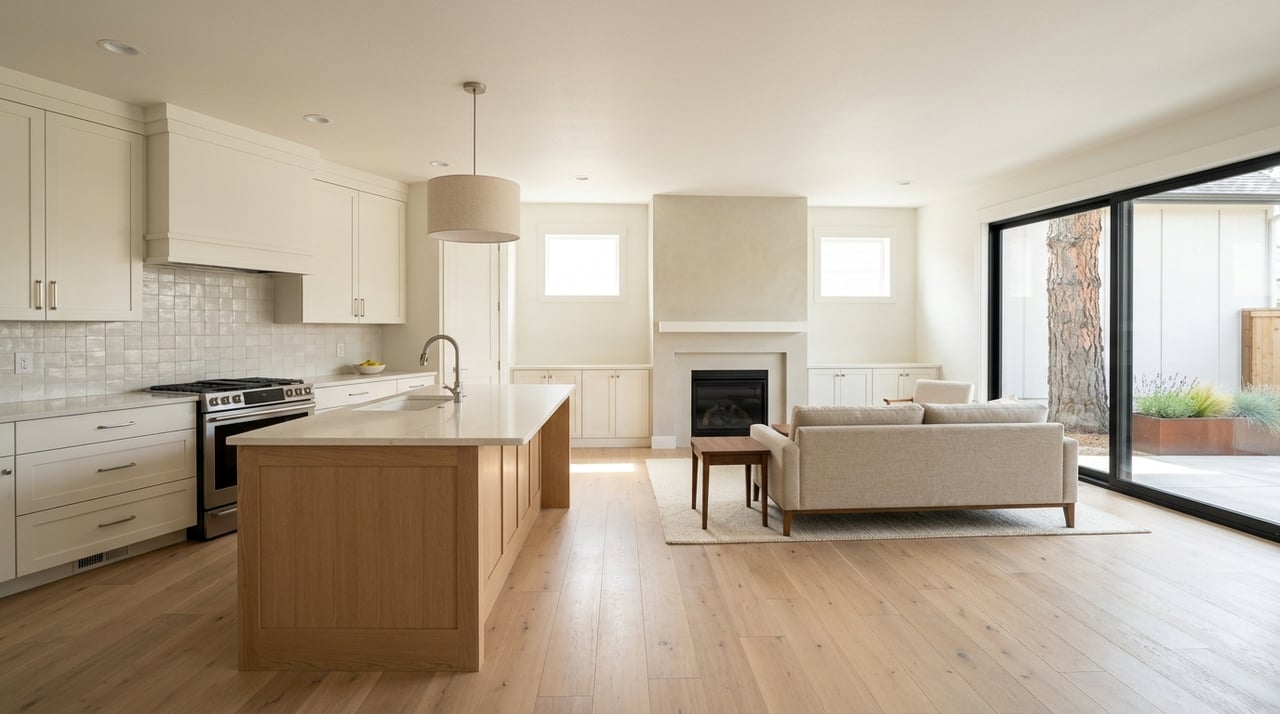
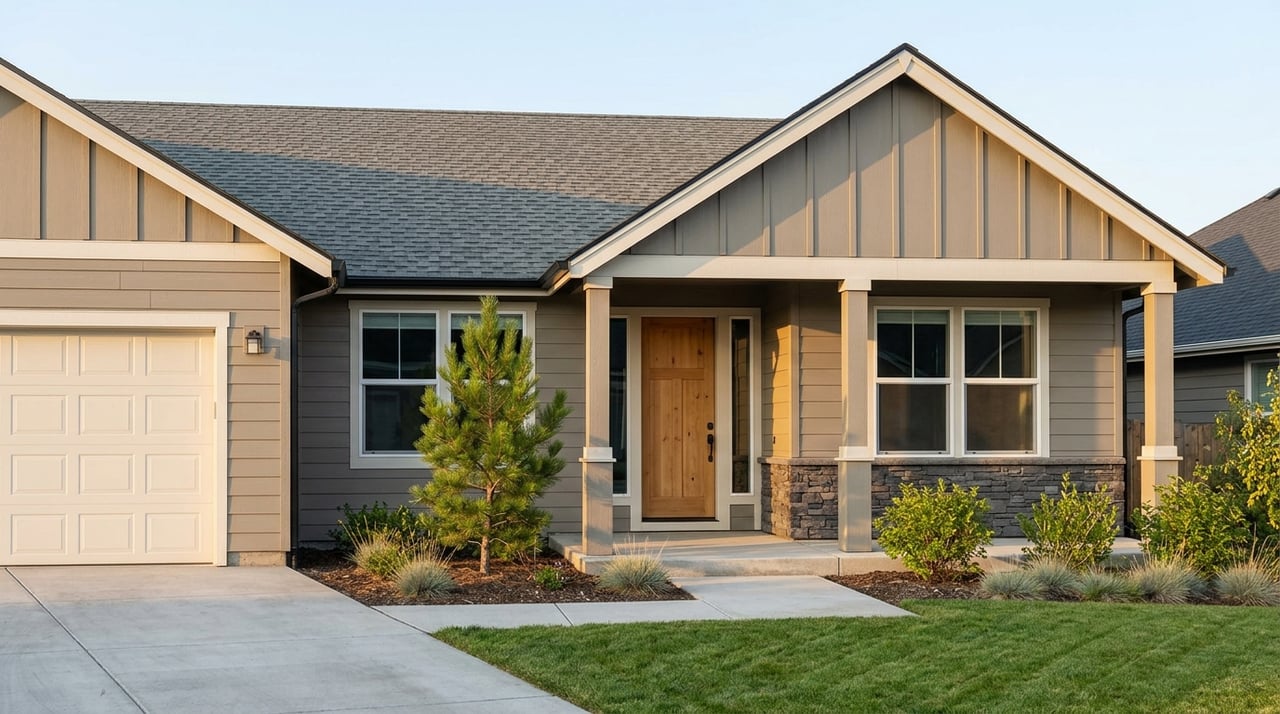
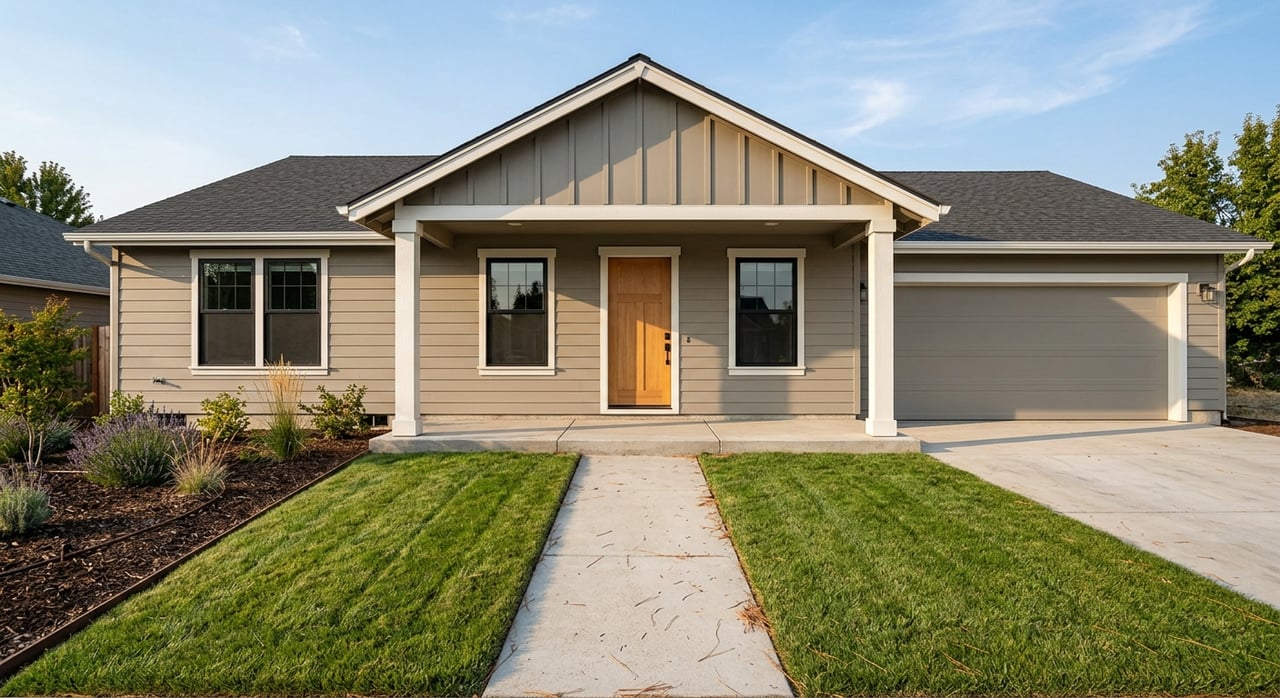
If your priority is a newer-construction feel, more modern floor plans, or a location on the edge of town, these areas may fit your needs better. For many buyers, especially those relocating, this mix of old and new is part of what makes Klamath Falls worth a closer look.
Lakeside and recreation-oriented areas
One of the more lifestyle-driven parts of town is the Moore Park and Lakeshore Drive side of the city. Here, the daily rhythm leans heavily outdoors, with easier access to trails, lake views, and open space.
Moore Park sits on the southern end of Upper Klamath Lake and includes trails, fields, courts, picnic areas, and a disc golf course. If you picture your routine including walks, bike rides, or weekend time outside close to home, this part of Klamath Falls may feel especially appealing.
Outdoor access is part of the routine
One of the clearest things about living in Klamath Falls is that outdoor recreation is not just for weekends. It is built into normal daily life.
The city park system includes 26 areas totaling more than 600 acres. That range includes neighborhood parks, community parks, regional parks, special-use areas, and natural open spaces, which means outdoor options are spread throughout the city.
Trails near the city center
Two standout everyday-use trails help define local routines. The Link River Trail is an easy 3-mile out-and-back route connecting Upper Klamath Lake to Lake Ewauna.
The OC&E Woods Line State Trail begins in the heart of Klamath Falls and includes an urban paved section used by walkers, runners, skaters, and cyclists. For many residents, this kind of close-to-home access makes it easier to stay active without planning a full day around it.
Moore Park activities
Moore Park adds another layer to the city’s outdoor identity. In addition to fields, courts, and picnic areas, it offers extensive trails and access to the Moore Mountain Trail System, which is heavily used by hikers, cyclists, and runners.
This is one reason Klamath Falls often feels lifestyle-forward despite its smaller size. You can finish work, drive a short distance, and be on a trail or at the park without much effort.
Everyday recreation options
For residents who want structured recreation, Ella Redkey Pool offers classes, programs, open swimming, and swim lessons in town. That adds another practical option for day-to-day activity close to home.
When you combine the park system, the trails, and the city’s sunny climate, it becomes easier to picture why outdoor routines are such a strong part of local life.
Downtown still matters
In some smaller cities, downtown feels more symbolic than useful. In Klamath Falls, downtown still plays a real role in everyday living.
Local tourism and downtown sources describe the area as home to specialty shopping, farmers markets, restaurants, cafes, breweries, and locally owned businesses. The downtown association also notes that most downtown businesses are open Monday through Saturday, which supports steady daytime and weekend use.
This is where many residents go for a casual coffee, lunch on Main Street, or a low-key evening out. Examples highlighted in local visitor materials include Wong’s Cafe, Common Block Brewing, and Oregon Wine Cellar and Bar.
Arts and events shape community life
The Ross Ragland Theater is one of the city’s best-known cultural anchors. It operates as a year-round performing arts center and grew from a community restoration effort, which says a lot about how local support shapes the arts in Klamath Falls.
Seasonal events also help define the social calendar. The Klamath Falls Farmers Market runs on Saturdays from June through October, and downtown events like Third Thursday and Freedom Friday add recurring summer activity.
Scarecrow Row, held on the Saturday before Halloween, is another example of the kind of event that brings people downtown. If you are trying to imagine what community life feels like here, these recurring gatherings help tell the story.
Getting around is usually straightforward
Klamath Falls tends to support simple, repeatable routines. Work trips, errands, dining, and recreation often cluster around a few familiar corridors instead of one dense urban core.
The city’s downtown plan notes a notable daytime presence downtown while also pointing to retail competition along the Washburn Way and South 6th Street corridors. In practical terms, that means many residents build their routines around a handful of common destinations across town.
Major employers and activity anchors include Oregon Institute of Technology, Klamath Community College, Sky Lakes Medical Center, the Air National Guard, and several manufacturers identified by the city. For buyers thinking about commute patterns, that mix helps explain why local traffic tends to feel manageable and route-based.
Basin Transit also provides weekday fixed-route service from 8 a.m. to 5 p.m., along with paratransit services and the Linkville Trolley. Basin Connect links Klamath Falls with smaller communities in the county on selected reservation-based days.
Who Klamath Falls may appeal to most
Klamath Falls can be a strong fit if you want a city that feels accessible, outdoorsy, and grounded in everyday convenience. It may especially appeal to people who value shorter commutes, practical local amenities, and a housing mix that includes everything from established neighborhoods to newer residential areas.
It can also make sense if you want a place where lifestyle is not built around constant driving or crowded schedules. The combination of downtown activity, lake access, parks, and trail networks creates a routine that often feels balanced and easy to settle into.
If you are planning a move, this is the kind of city where neighborhood guidance can make a big difference. The right area for you depends on whether you want to be closer to downtown, outdoor access, newer homes, or more space.
If you are considering a move to Klamath Falls or want help narrowing down the neighborhoods and home types that best fit your routine, Sarena Sutton can help you explore your options with clear, local guidance.
FAQs
What is daily life like in Klamath Falls, Oregon?
- Daily life in Klamath Falls often feels local, convenient, and outdoors-oriented, with short drives, a mean commute time of 14.3 minutes, and easy access to parks, trails, downtown businesses, and community events.
What are the main neighborhood types in Klamath Falls, Oregon?
- Klamath Falls includes a mix of downtown and downtown-adjacent areas, older in-town neighborhoods like Mills Addition, newer residential developments, and recreation-oriented areas near Moore Park and Lakeshore Drive.
Is downtown Klamath Falls active for dining and events?
- Yes. Downtown Klamath Falls is a key center for shopping, dining, arts, farmers markets, and seasonal events, with Main Street businesses and venues like the Ross Ragland Theater helping keep the area active.
What outdoor recreation is close to homes in Klamath Falls, Oregon?
- Residents have access to 26 park areas with more than 600 acres, plus popular spots like Moore Park, the Link River Trail, the OC&E Woods Line State Trail, and Ella Redkey Pool.
How do people get around in Klamath Falls, Oregon?
- Many people rely on short drives for work, errands, and recreation, and Basin Transit also offers weekday fixed-route bus service, paratransit, the Linkville Trolley, and selected county connections through Basin Connect.
Is Klamath Falls a good fit for relocation buyers?
- Klamath Falls may appeal to relocation buyers who want a smaller city with manageable commutes, outdoor access, an active downtown, and a range of home options from in-town neighborhoods to newer developments and land opportunities.